3D harmonic Model © 2016~2025
US Patent #: 9947304.
The Augmented Dynamic:
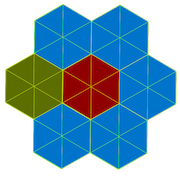
We've combined diminished contexts by note sharing thus creating planes. We'll now do the same with the augmented contexts.
Two types of plane can be created. One ( a "static plane" ), where the intrinsic relationships to the diminished contexts are duplicated, the other ( a "dynamic plane" ), where those relationships alternates 'relative' relationships — as seen in fig.8 through fig.10
Two types of plane can be created. One ( a "static plane" ), where the intrinsic relationships to the diminished contexts are duplicated, the other ( a "dynamic plane" ), where those relationships alternates 'relative' relationships — as seen in fig.8 through fig.10
fig.14a Static vs Dynamic Plane
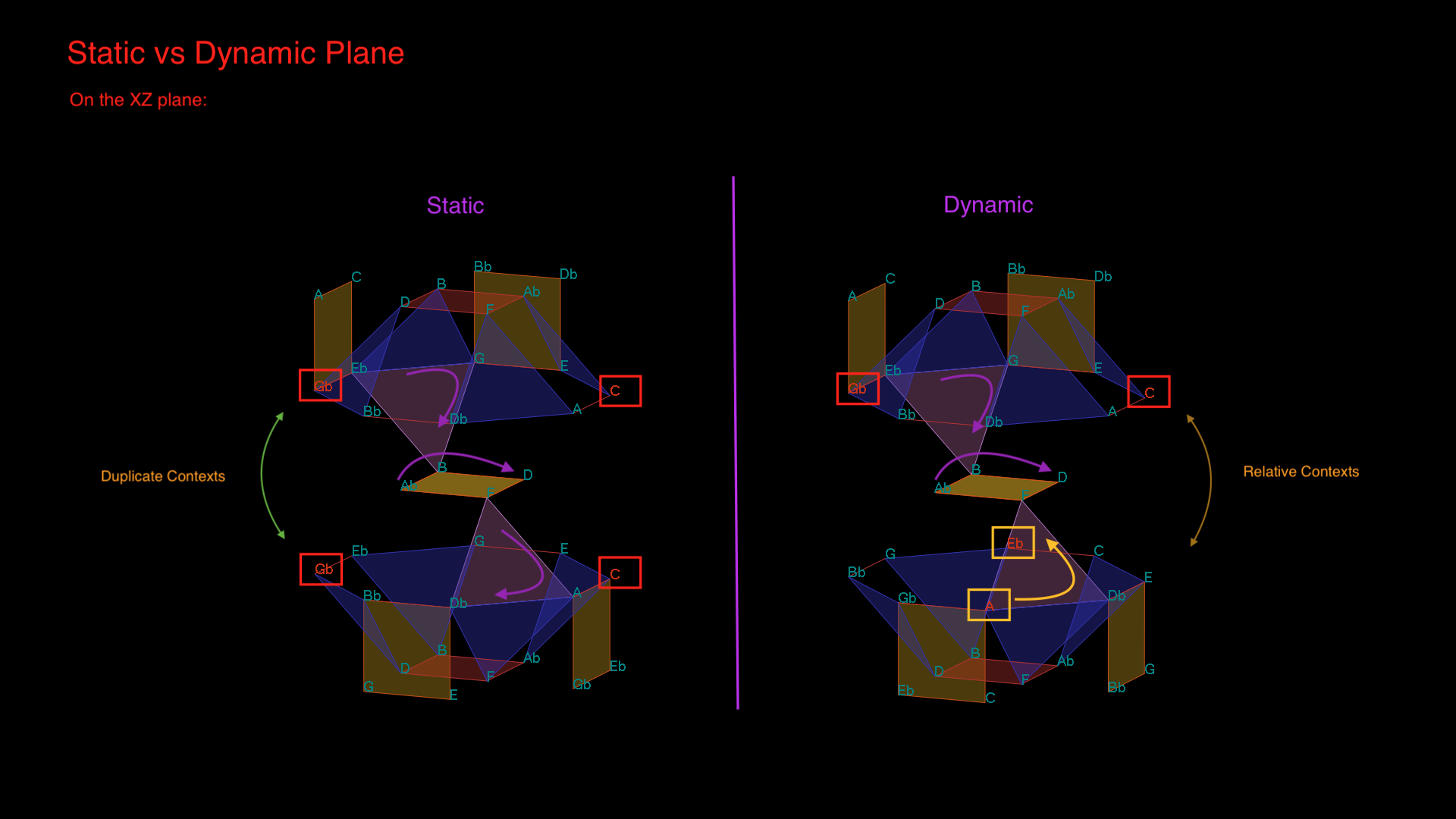
The Static Plane
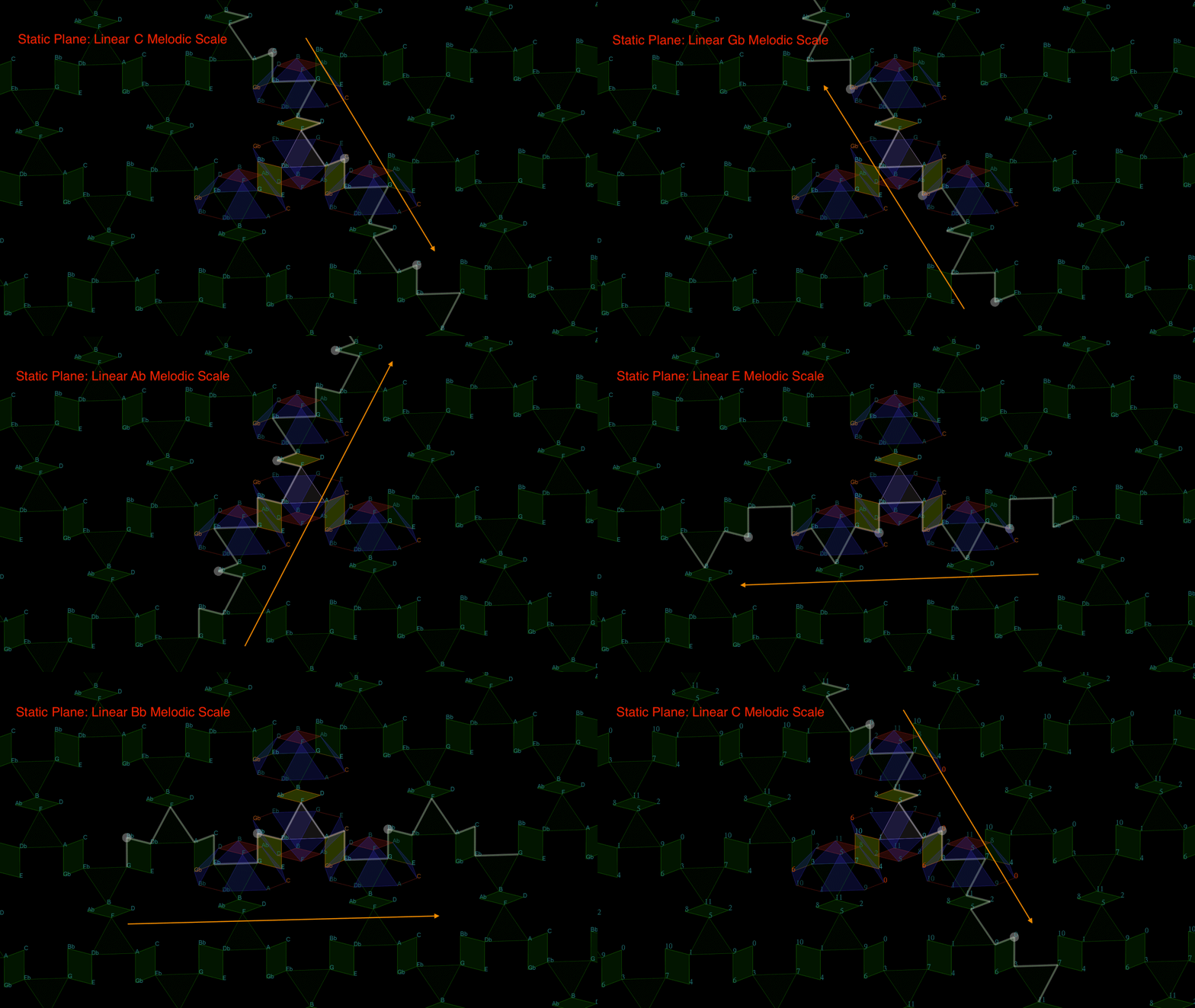
In a static plane the resulting melodic scales — n.v. 0-2-3-5-7-9-11 — build with a succession of thirds — n.v. 3 or 4 — are linear.
fig.14 C Melodic Minor - Static Plane
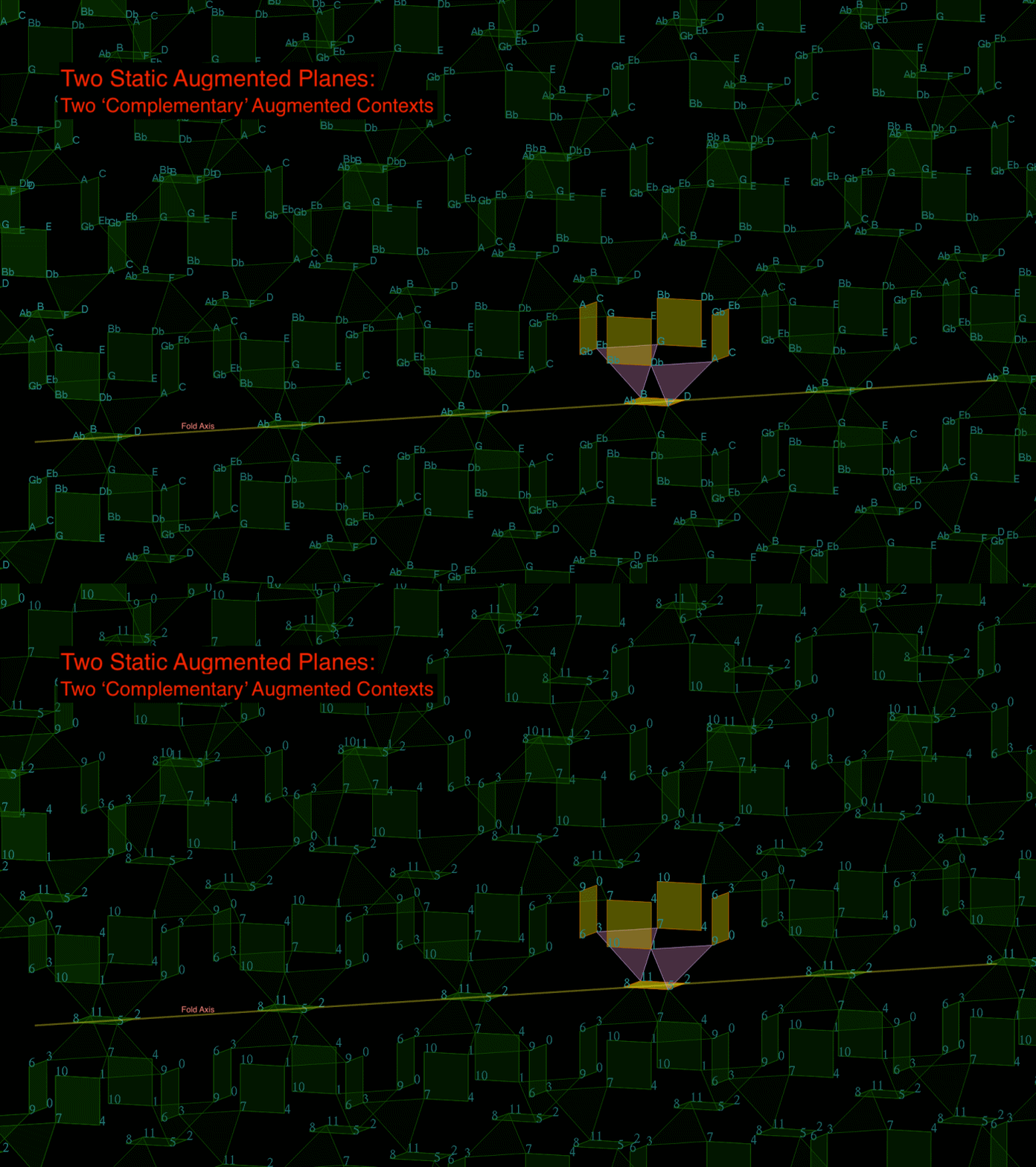
The static plane IS 'foldable' along three axis: XZ, XY & ZY depending on which complemetary context is being used.
fig.15 Two 'Folded' Static Augmented Planes
The Dynamic Plane
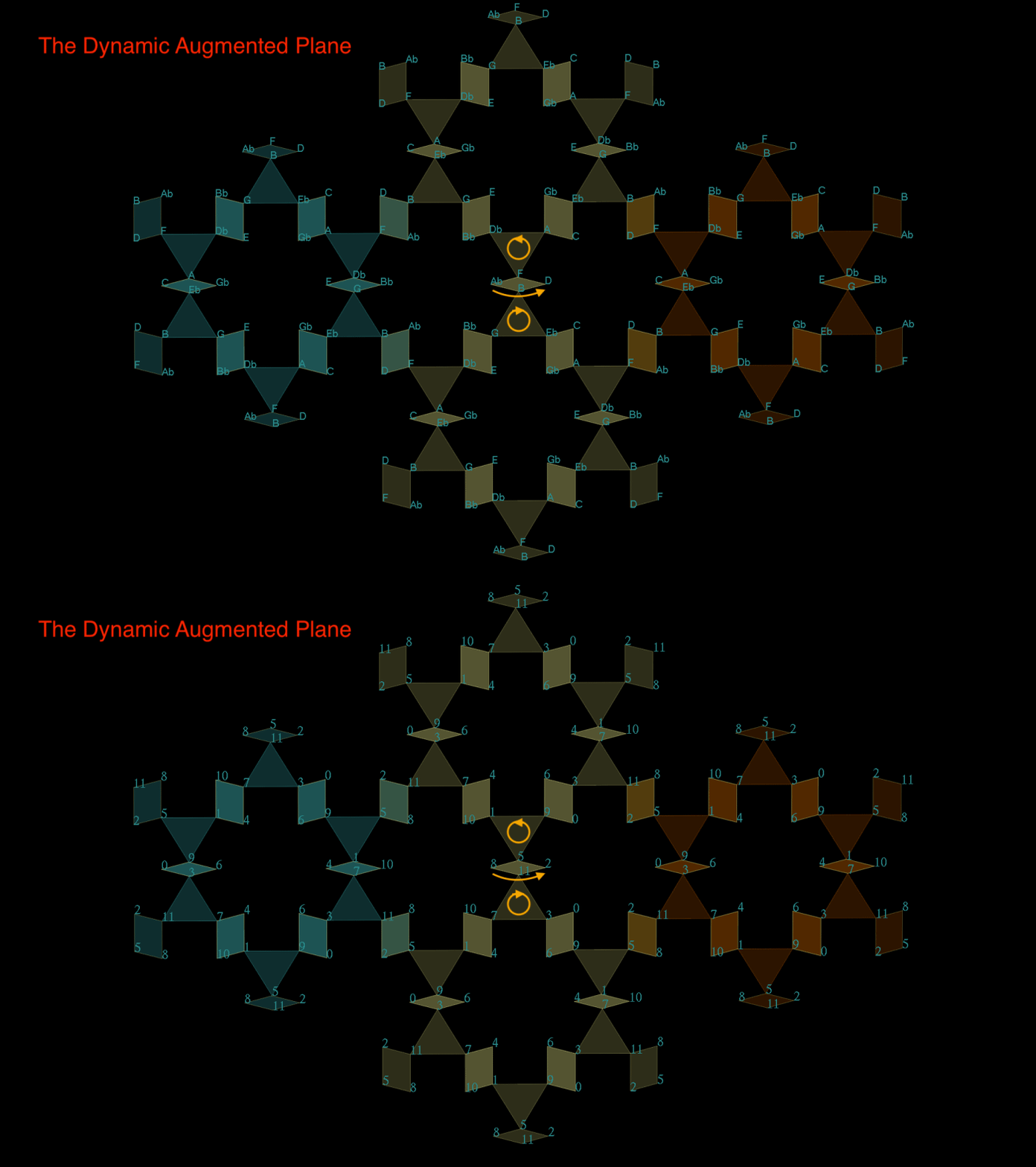
The Dynamic Augmented Plane appears to be better suited for musical representation.
fig.16 The Dynamic Augmented Plane
Here are some really interesting relationships within this plane.
fig.17 Diminished Contexts Relationships on the XZ plane
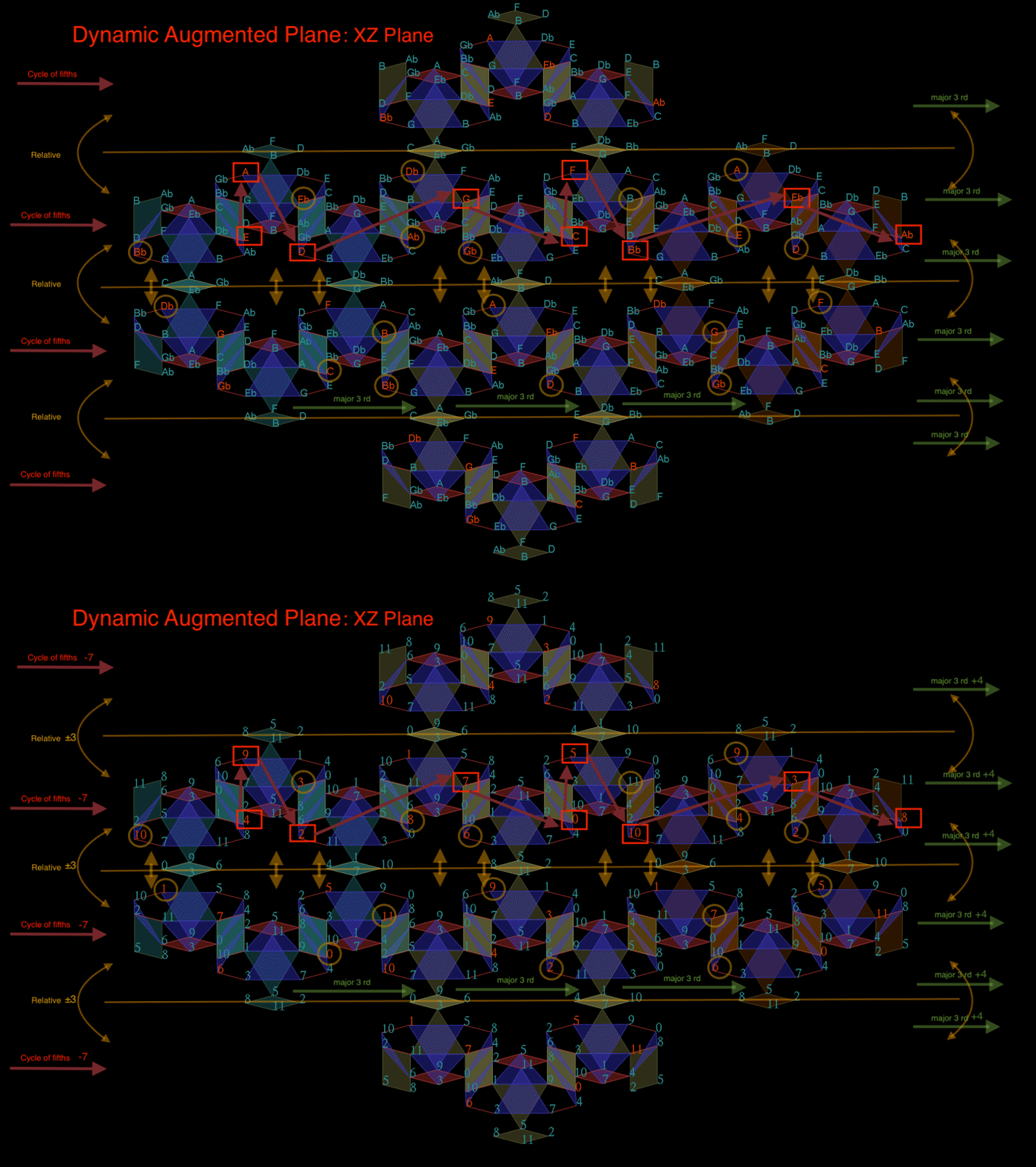
Because of the major third relationships highlighted previously, the dynamic augmented plane is NOT foldable.
Centered on one diminished context, using the same plane, here are highlighted six minor melodic scales. Each traverse six diminished contexts -- or 12 tonal centers.
Centered on one diminished context, using the same plane, here are highlighted six minor melodic scales. Each traverse six diminished contexts -- or 12 tonal centers.
fig.18 Six Minor Melodic Scales
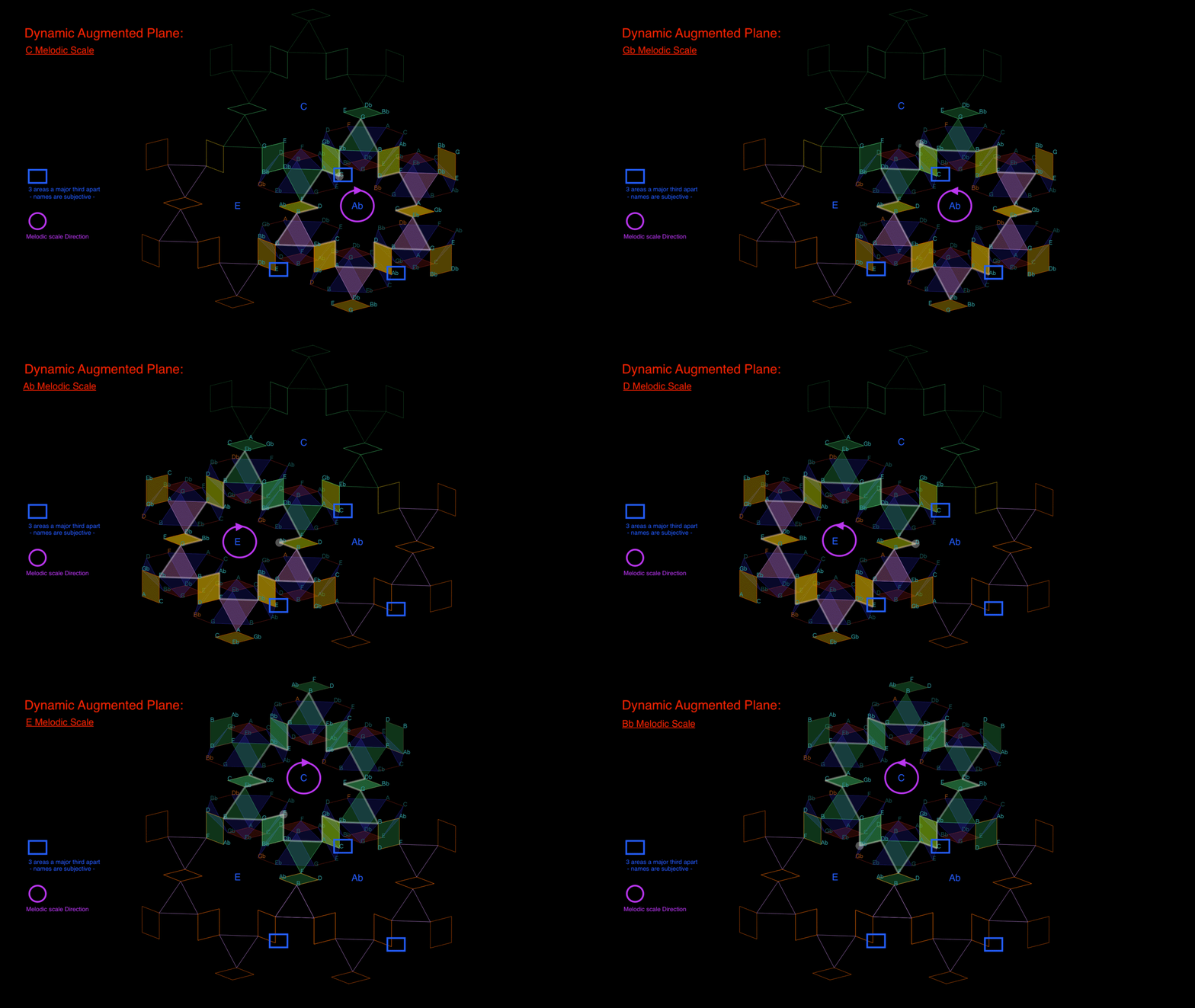
Six melodic scales propagate from an augmented context and also from its 'complementary' — fig.15 & fig.20. Although the Augmented plane is not 'foldable', we can't be in two scales at once. So it is possible to selectively show the scale we are interested in using the 'complementary' augmented contexts.
fig.19 Concentric Melodic Scale As They Relate to Three Planes
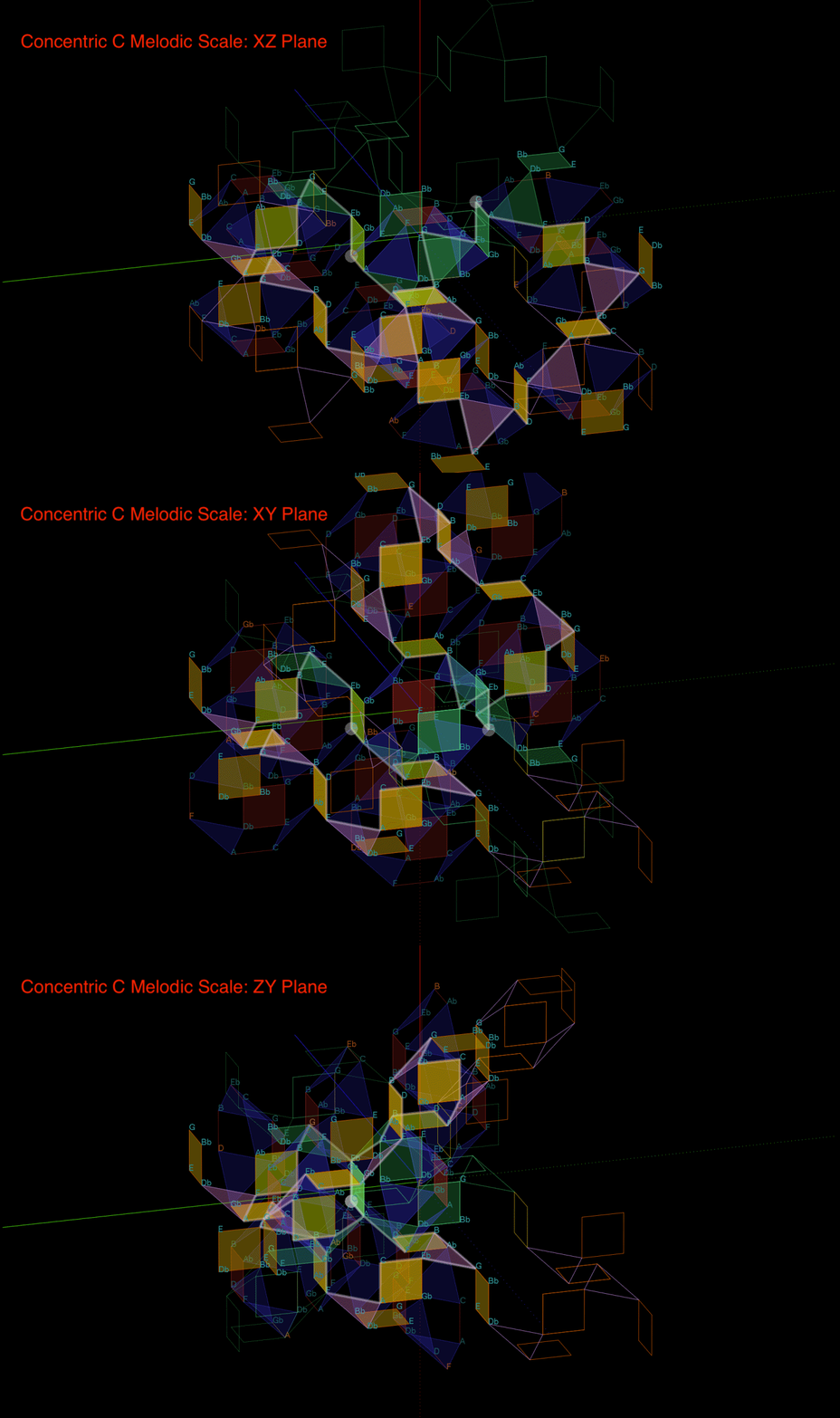
Of course it is difficult to look at still shots without a 3D tool ;-) Take my word for it, it's beautiful !
Representing All Twelve Melodic Scales
There are two pairs of 'complementary' augmented contexts in each plane ( or each diminished context ), which allow us to represent all twelve melodic scales.
fig.20 Complementary Augmented Contexts In Three Planes
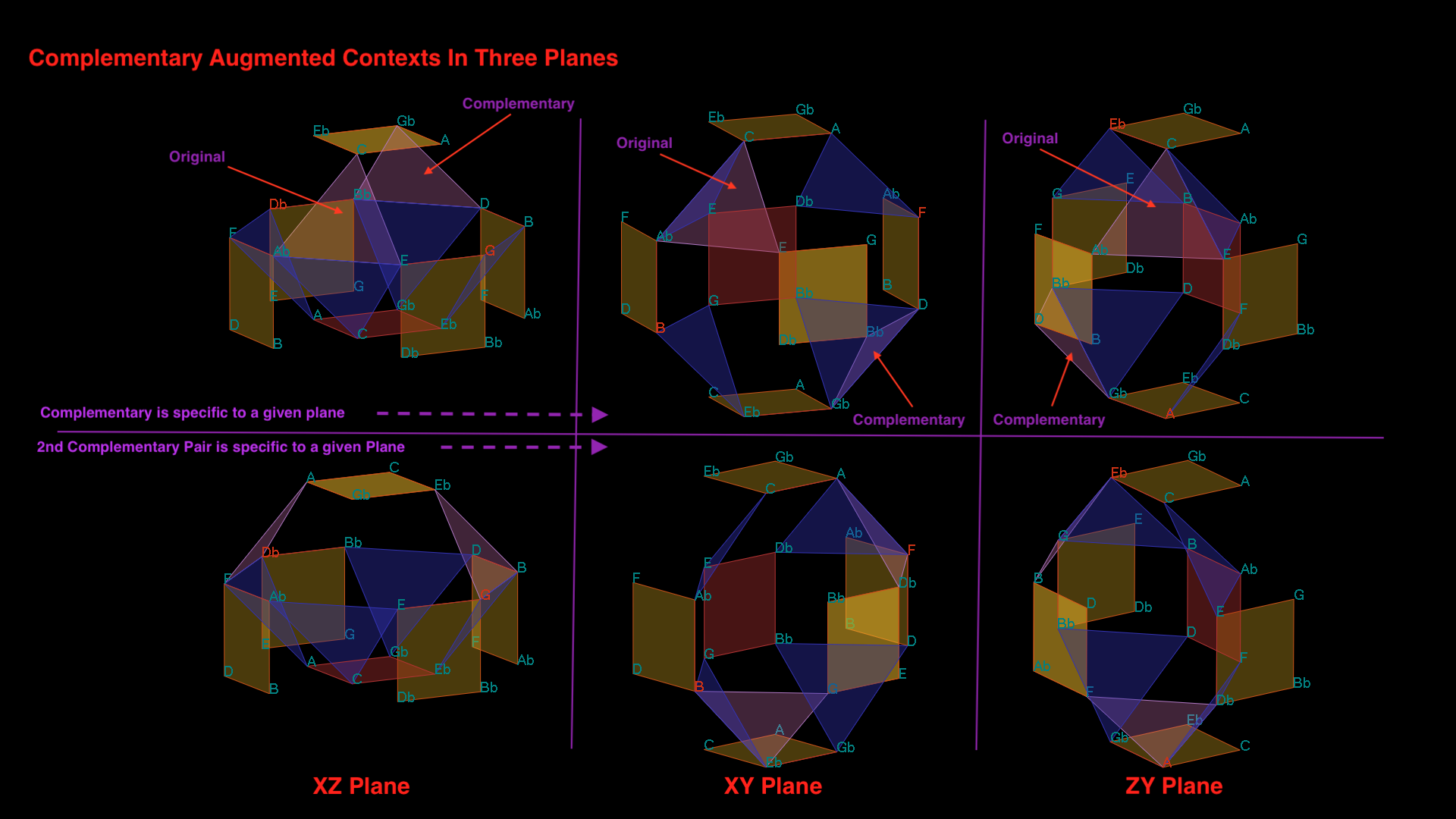
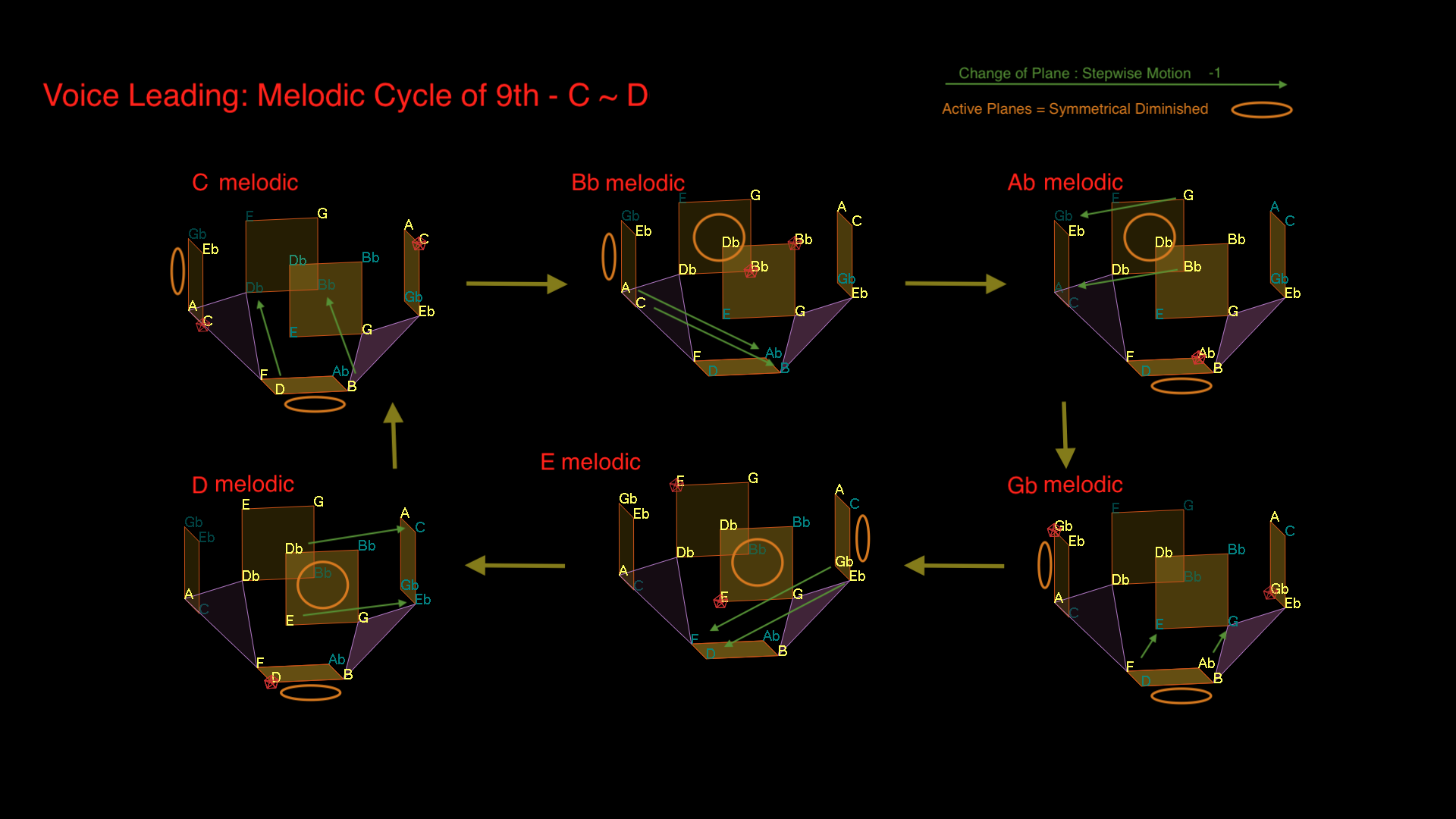
Any modulation from a melodic scale to the next, within an augmented context pair ( 6 melodic scales ), will happen via shared notes (i.e. a common square between the two augmented context).
fig.21a Voice Leading: Melodic Cycle of Ninths - C ~ D
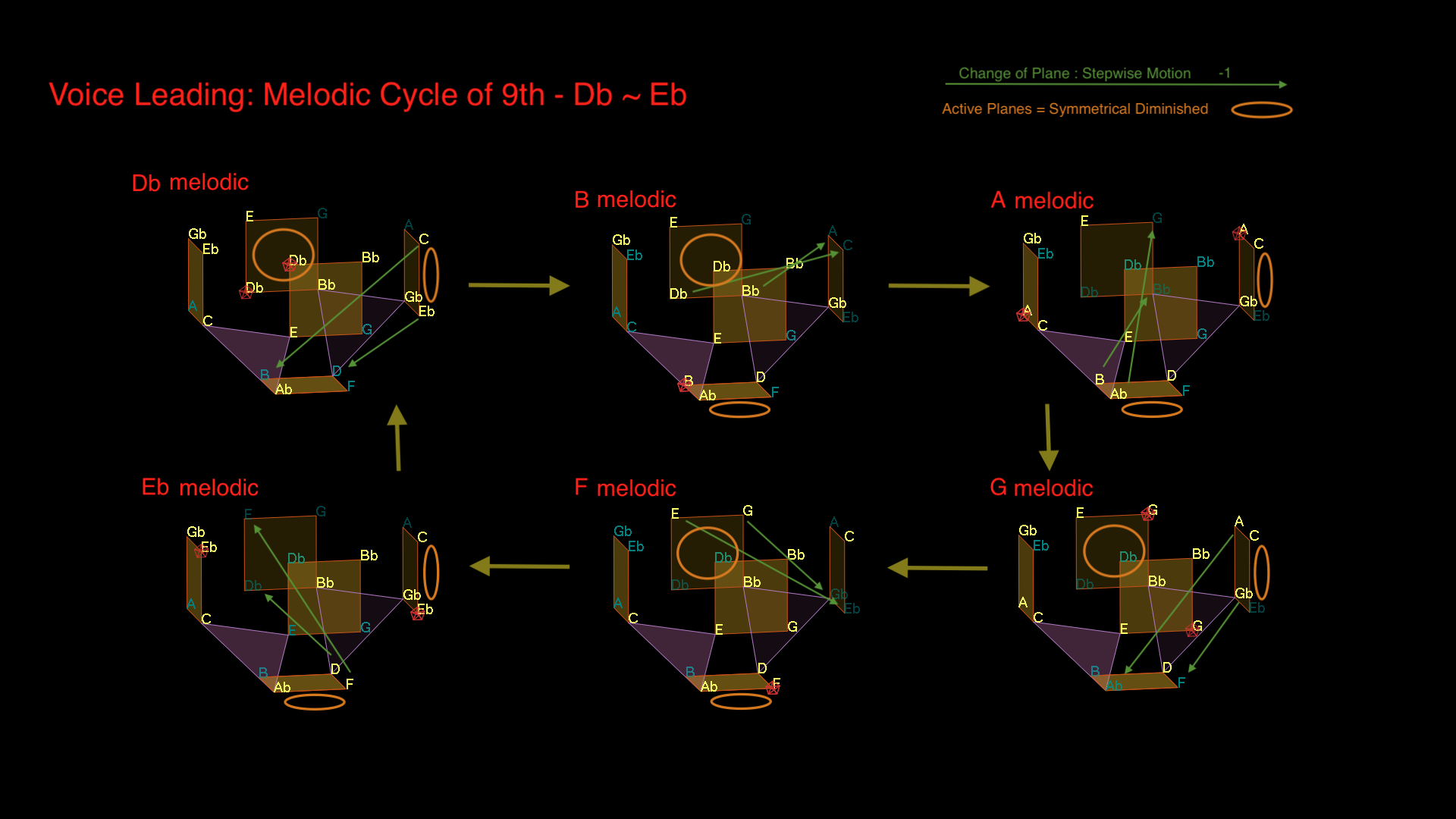
In order to represent the other six scales we must use the other augmented context pair -the 'complementary pair'.
fig.21b Voice Leading: Melodic Cycle Of Ninths Db ~ Eb
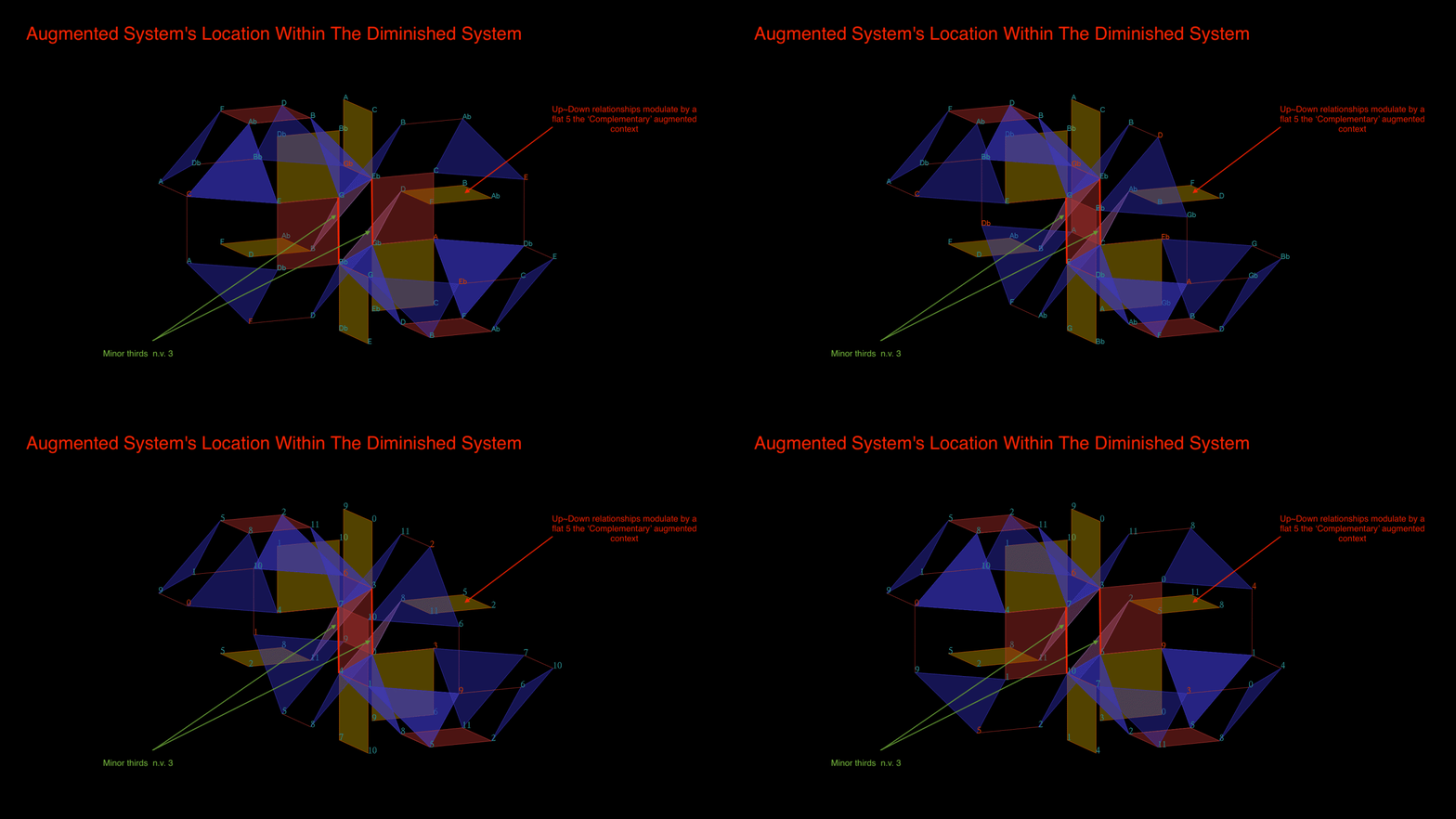
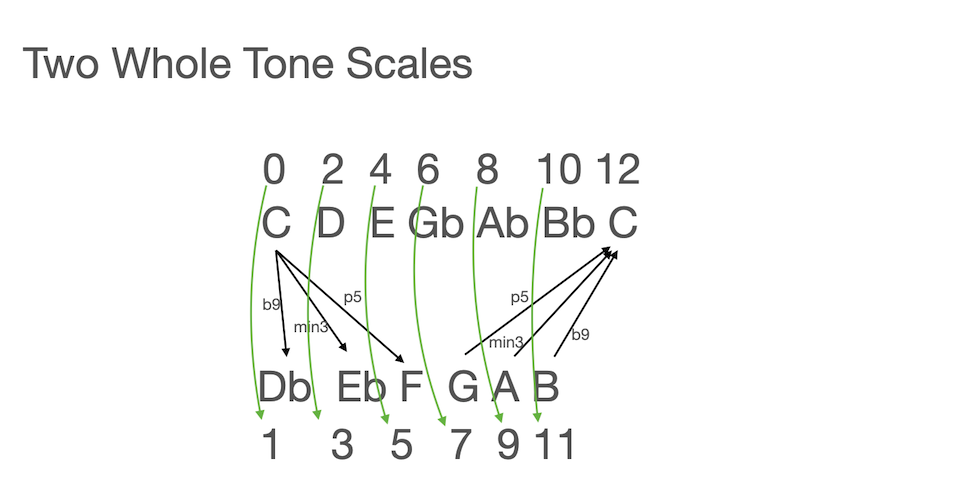
The relationship between these two groups of six melodic scales can also be found within the diminished system. By borrowing the minor thirds found in the 'UpDown' diminished contexts, we can connect two augmented contexts.
fig.22 Augmented System's Location Within The Diminished System
Although not part of the model, some b9 —n.v. 1— and p5 —n.v. 7— should also be considered.
fig.23 Augmented System Complementary Contexts' Connections
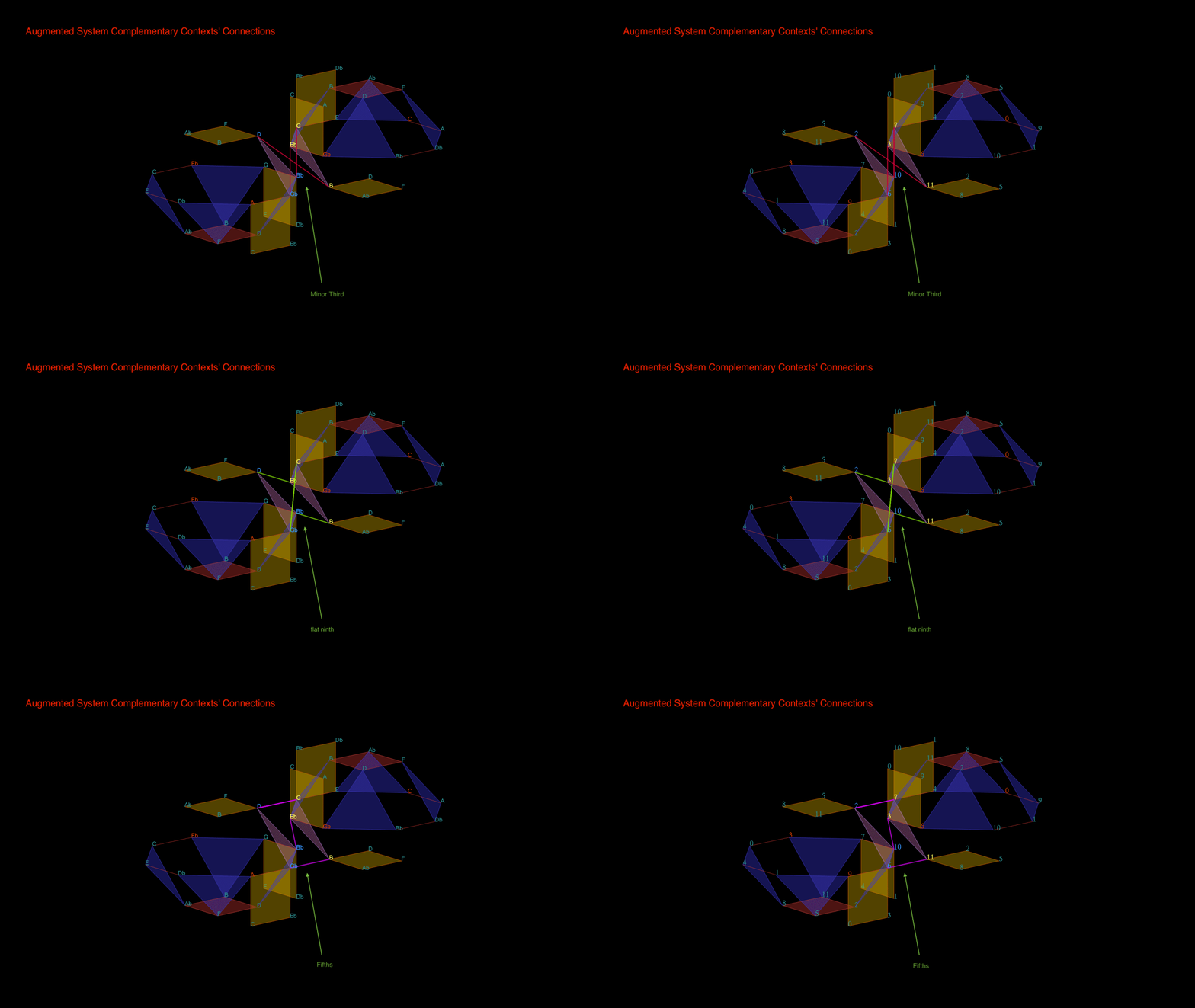
I like to think of it as a chromatic relationship —n.v. 1:
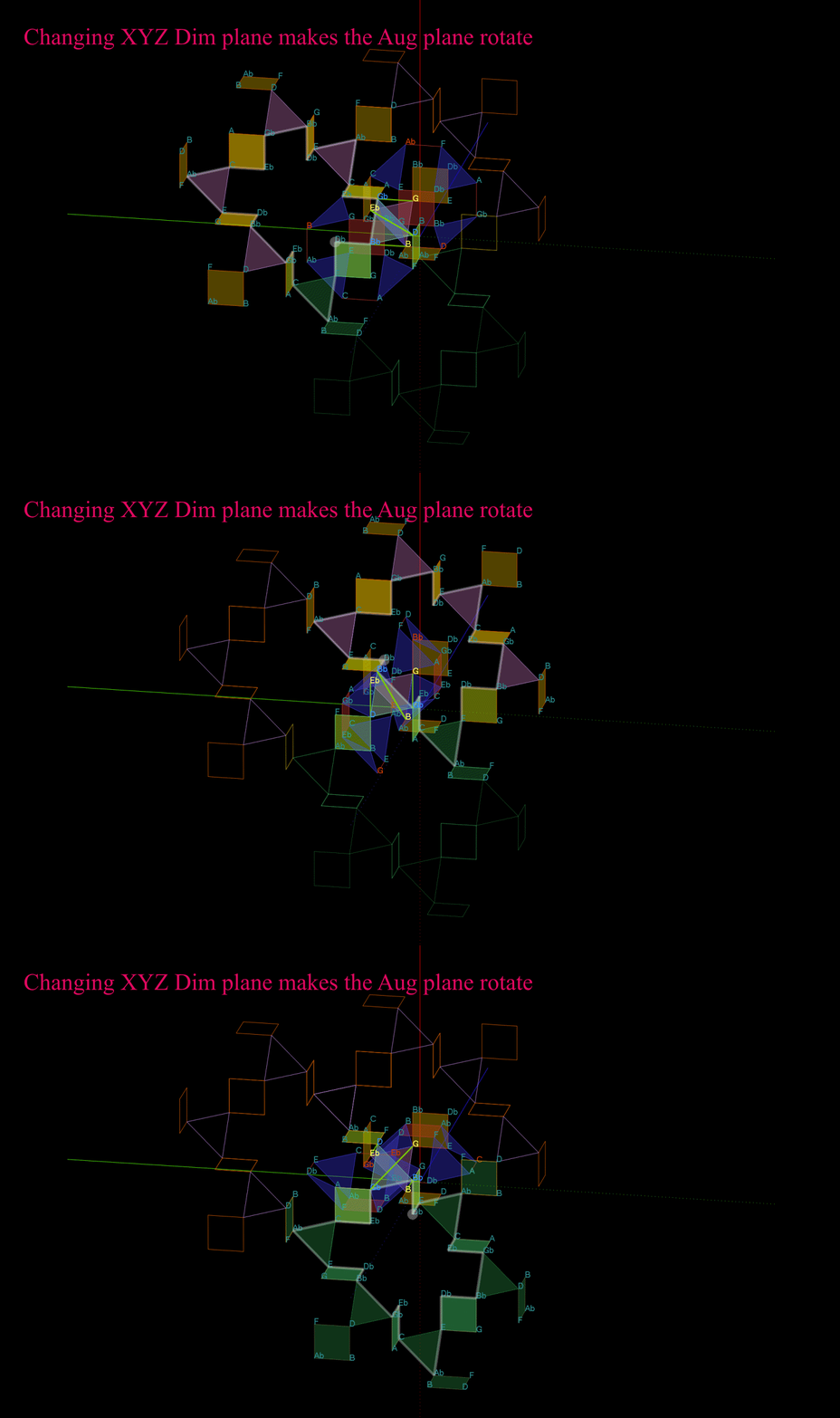
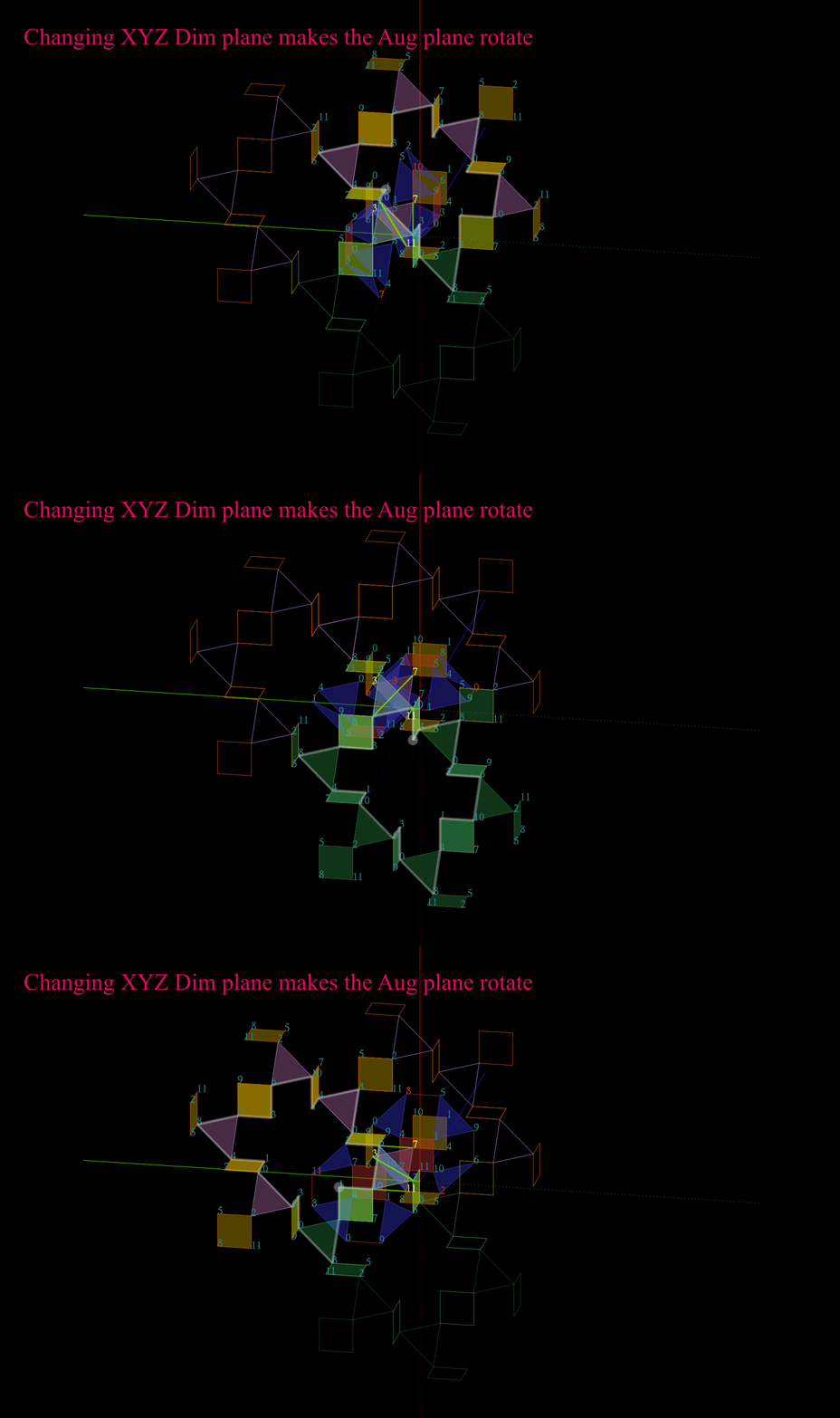
When changing the XYZ diminished system, the augmented plane, generated by the 'complementary' augmented context — fig.22 —, rotates in relation to the fixed Augmented context —yellow notes— . ( see also fig.20 )
fig.24a & fig.24b Rotating augmented plane
With Eb, G & B fixe: